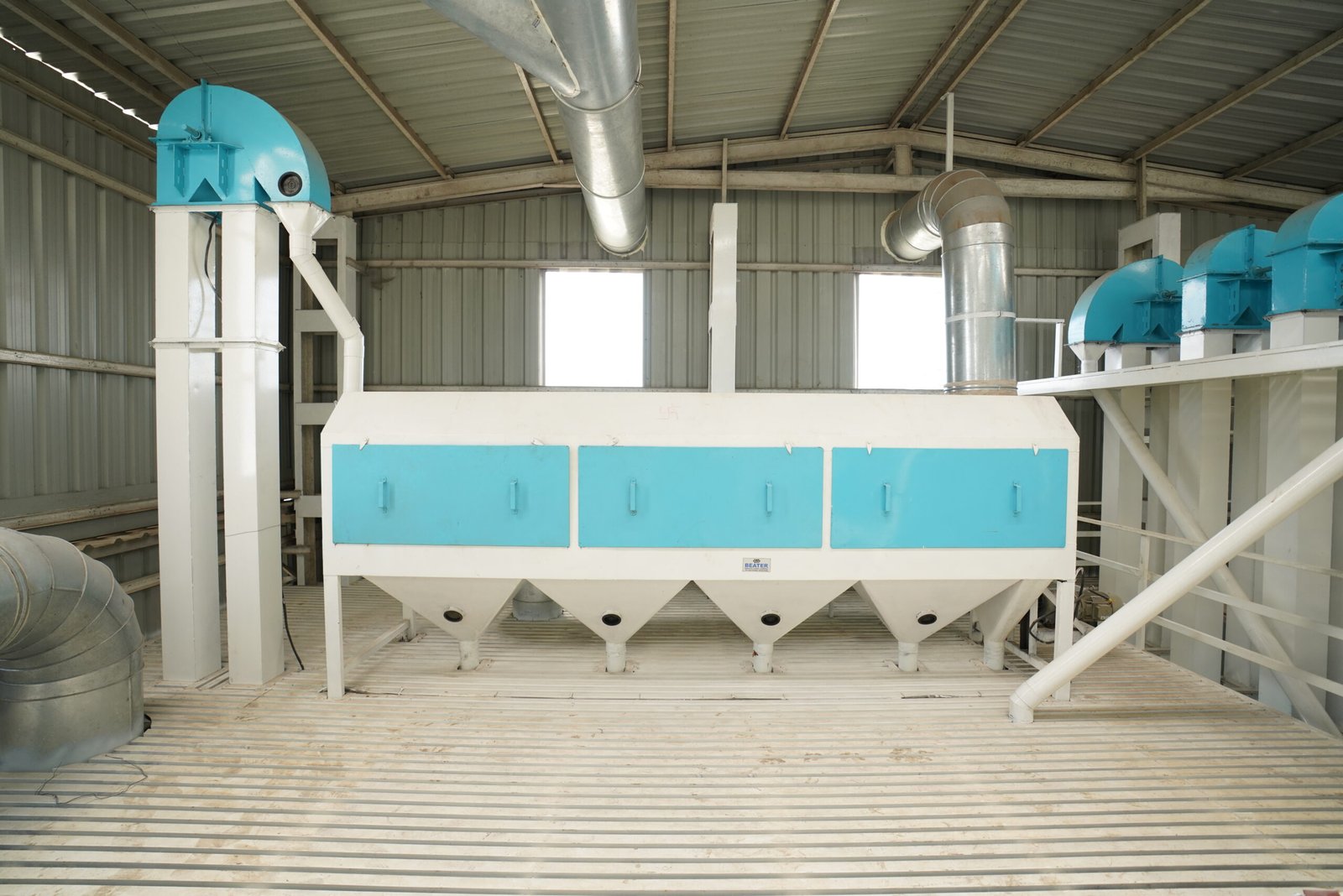
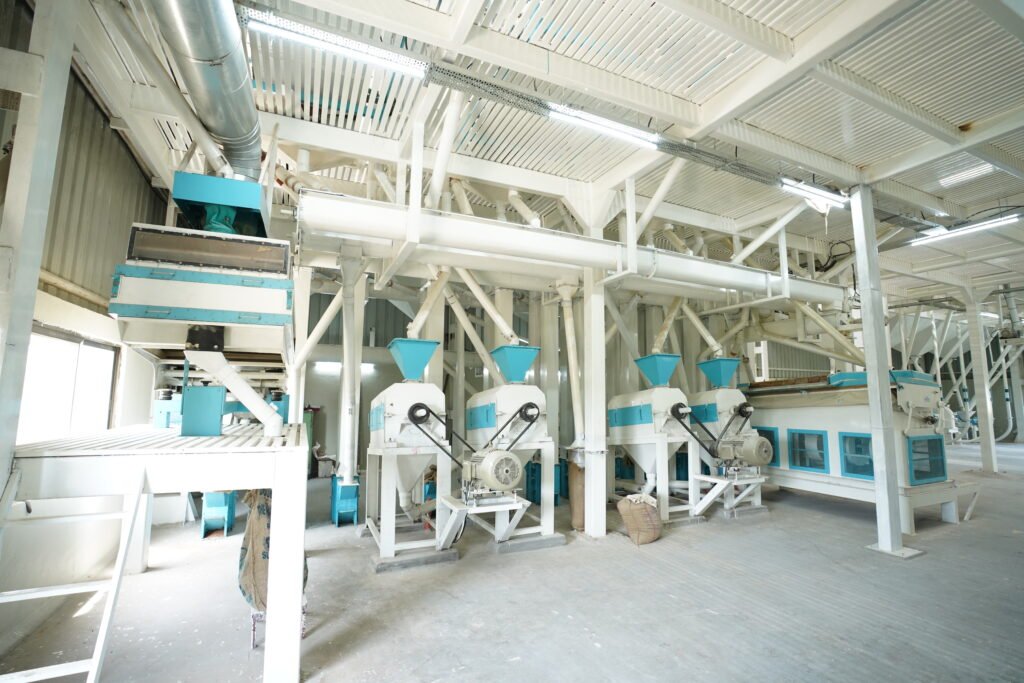
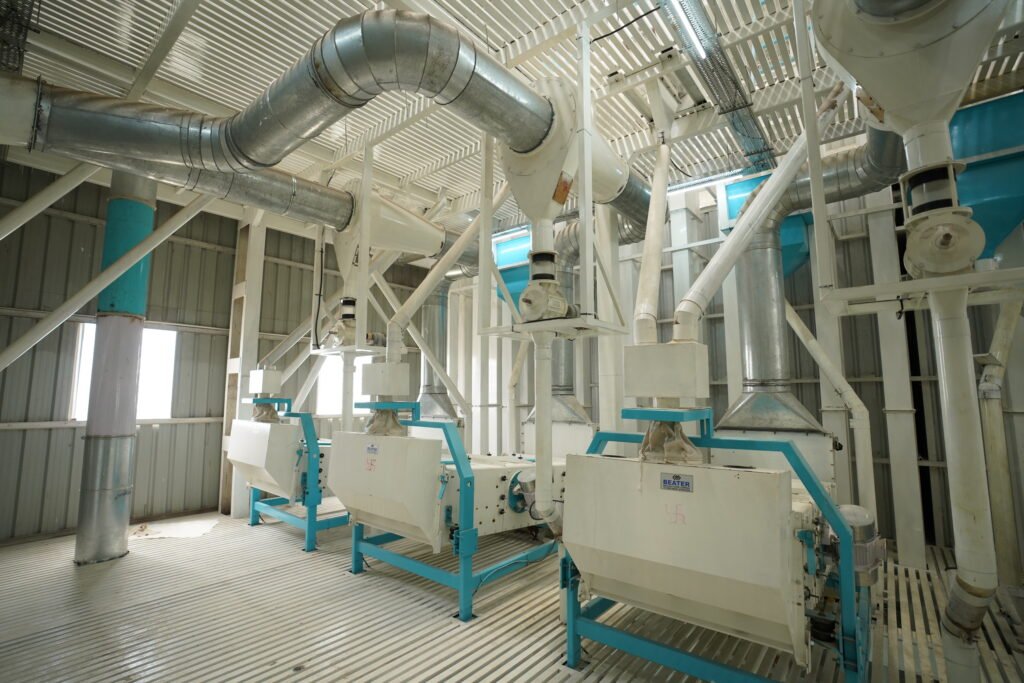
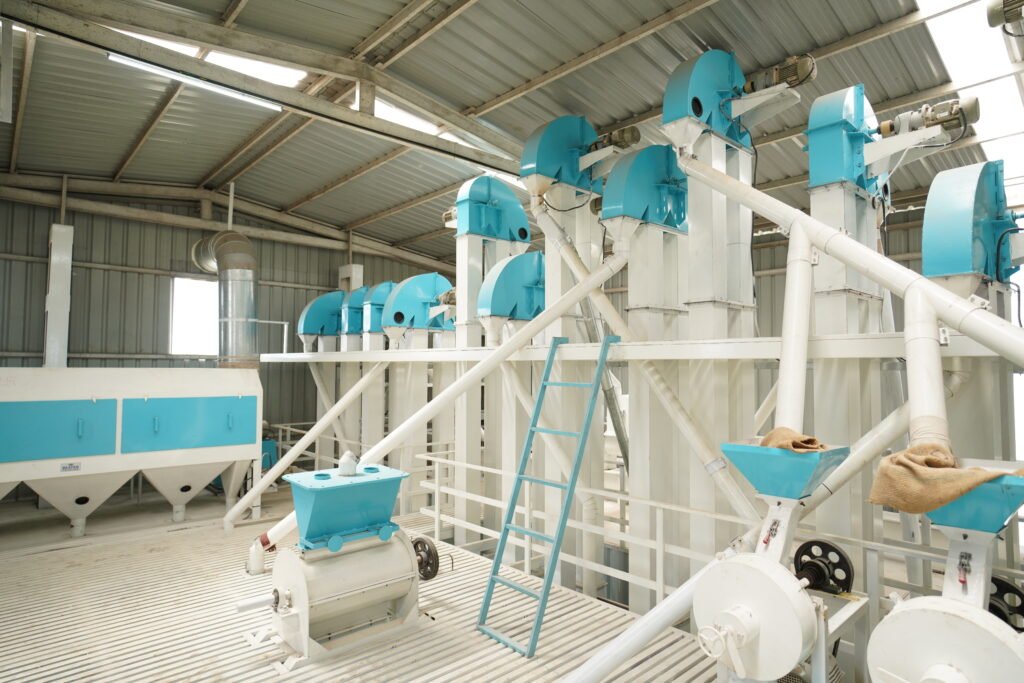
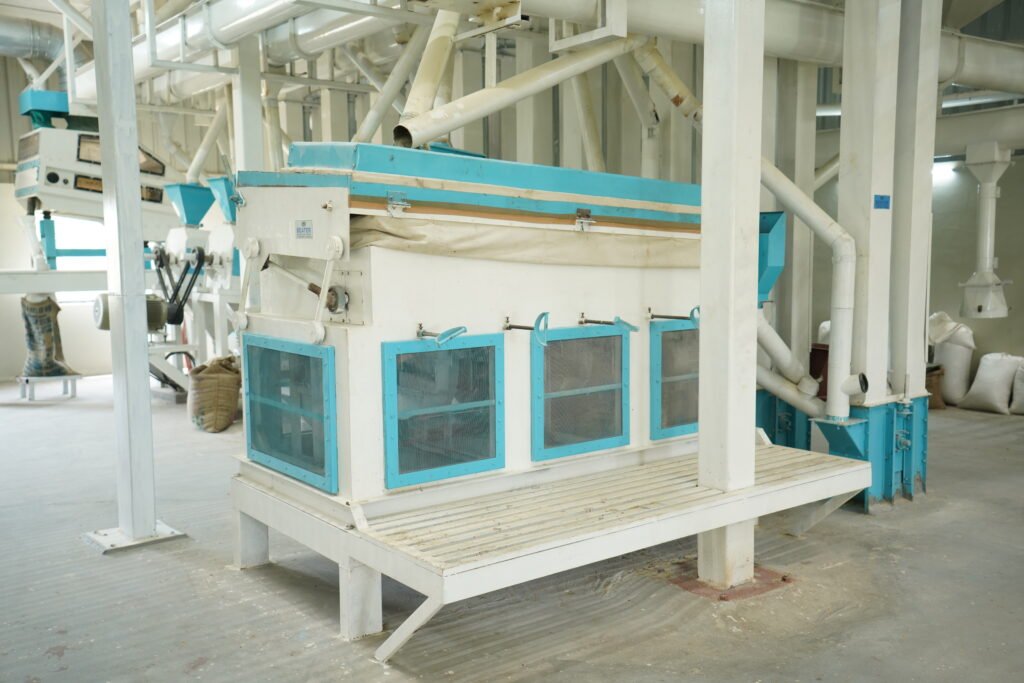
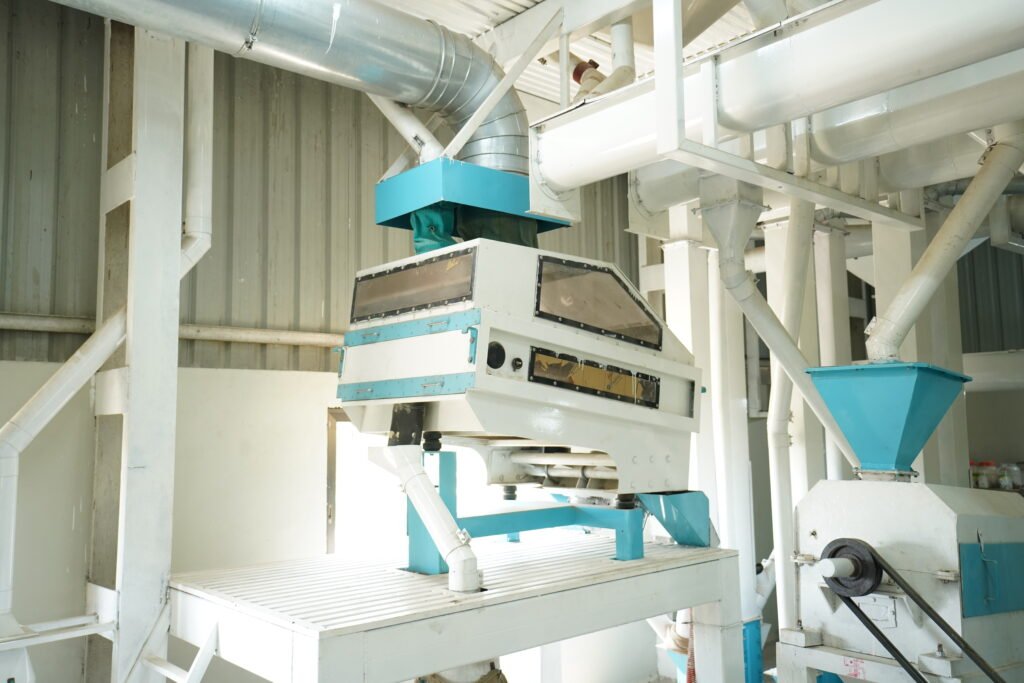
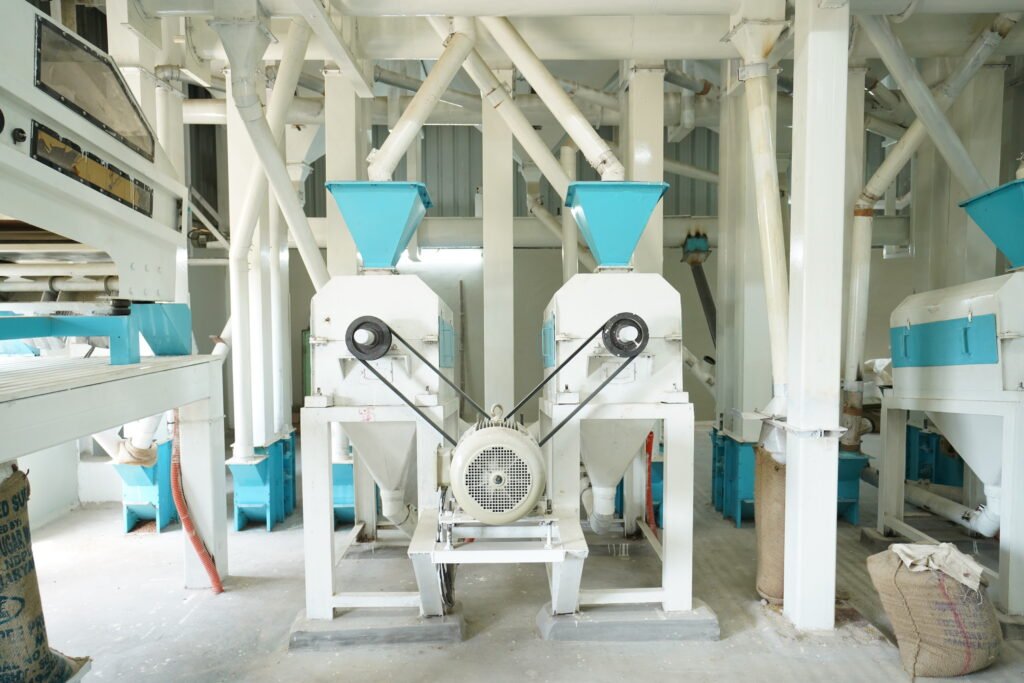
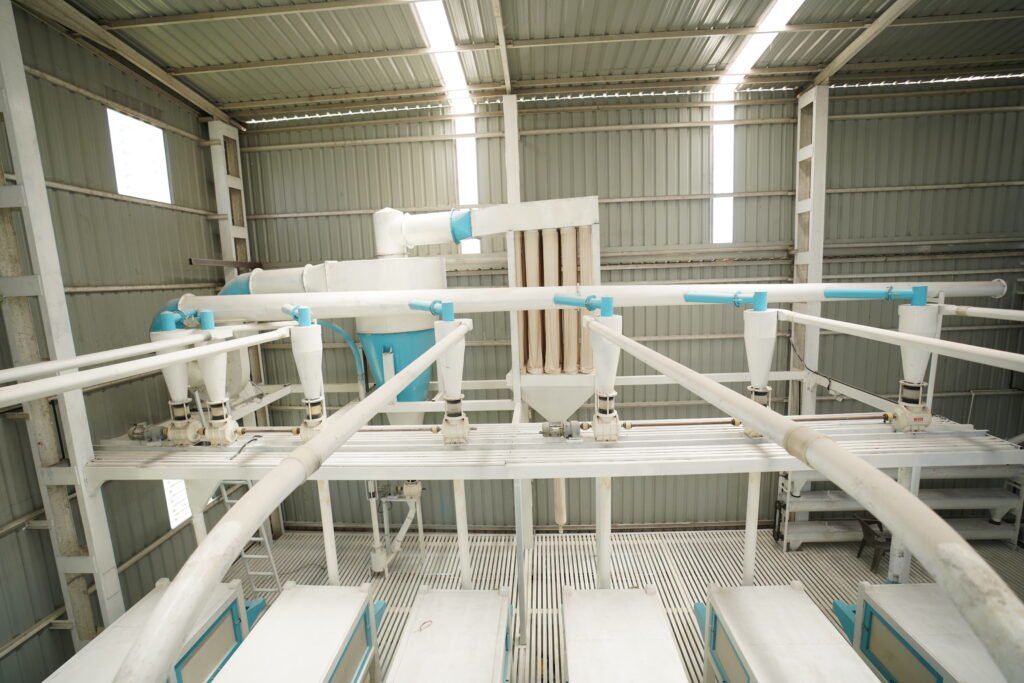
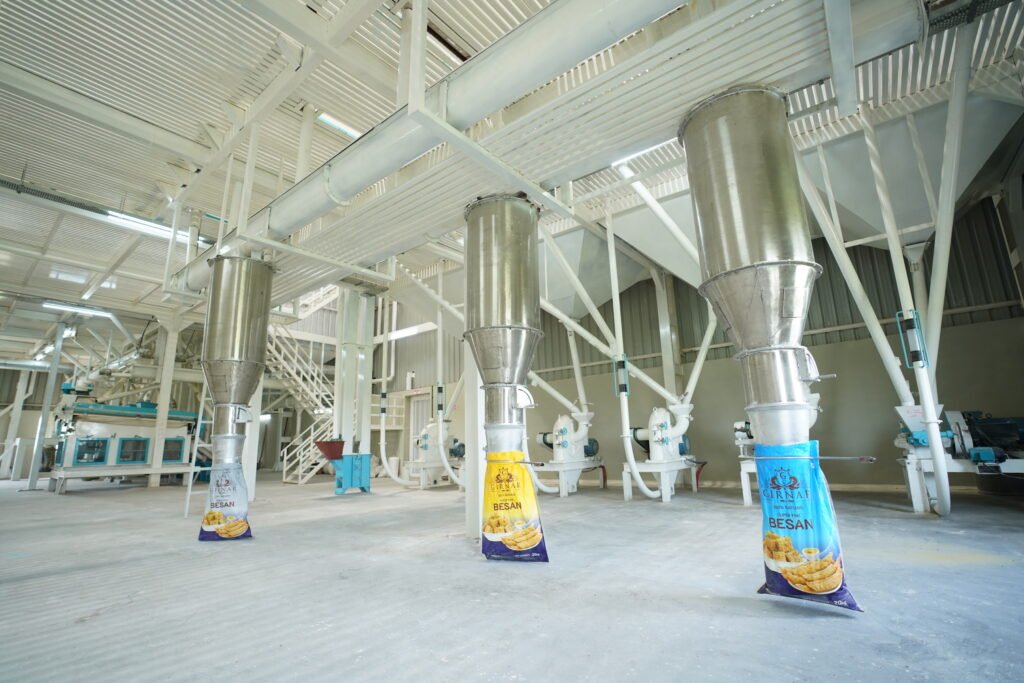
Chana Dal Plant

Why Choose Our Dal Plant?

  • High Recovery Percentage
  • Low Power Consumption
  • Robust Construction
  • Easy Maintenance
  • Customizable Plant Capacity
  • Advanced Automation Options

Dal Mill Processing Plant – Complete Working Process

Our advanced Dal Mill Plant is designed to deliver high efficiency, maximum yield, and superior quality finished dal. The plant is engineered for smooth operation, low maintenance, and optimal recovery.

Below are the detailed processing steps involved in a modern Dal Milling Plant:

1. intake & Pre-Cleaning

The first step in dal processing is removing impurities from raw pulses.

Process:

  • Removal of dust, sand, stones, chaff, immature grains, and foreign particles.

  • Use of Vibratory Cleaner, Destoner, and Magnetic Separator.

Purpose:

  • Protects machinery from damage.

  • Ensures hygienic and high-quality output.

Improves overall milling efficiency.

2. Grading

In this stage, pulses are graded according to size.

Process:

  • Grading machines separate larger, medium, and smaller grains.

  • Uniform size helps in proper dehusking and polishing.

Purpose:

  • Ensures even processing.

  • Reduces breakage.

  • Improves recovery percentage.

3. Pitting / Scratch Conditioning

This is a crucial step in dal processing.

Process:

  • Pulses pass through an Emery Roller Machine.

  • The outer surface is scratched to loosen the husk.

Purpose:

  • Helps moisture penetrate the grain.

  • Makes dehusking easier.

Improves splitting efficiency.

4. Pre-Treatment (Oil & Water Application)

Conditioning improves husk removal efficiency.

Process:

  • A controlled quantity of edible oil or water is applied.

  • The material is then stored for conditioning.

Purpose:

  • Loosens husk bonding.

  • Reduces breakage.

Enhances dal yield.

5. Drying Process

After conditioning, pulses are dried to required moisture levels.

Process:

  • Sun drying or mechanical drying system.

  • Moisture control is critical.

Purpose:

  • Ensures proper dehusking.

  • Maintains grain strength.

  • Improves splitting results.

6. Dehusking & Splitting

This is the core operation of the dal mill plant.

Process:

  • Emery rollers remove husk.

  • Grains are split into two halves.

  • Aspirator removes husk from dal.

Purpose:

  • High dal recovery.

  • Minimal powder formation.

  • Uniform splitting.

7. Optical grading

After splitting, material is separated.

Process:

  • Broken dal, whole dal, and husk are separated.

  • Recirculation of unprocessed grains.

Purpose:

  • Maximizes yield.

  • Ensures uniform product size.

  • Reduces wastage.

8. Polishing (Optional)

For premium market quality dal.

Process:

  • Nylon or emery polishing machines.

  • Water or oil polishing (if required).

Purpose:

  • Shiny appearance.

  • Market-ready finish.

  • Improved shelf appeal.

9. Final Cleaning & Packaging

The last stage before dispatch.

Process:

  • Final inspection.

  • Removal of remaining impurities.

  • Automatic weighing and packing.

Purpose:

  • Hygienic packaging.

  • Accurate weight control.

Ready for retail or bulk supply.